
Wildfire mitigation projects
Wildfire mitigation: Actions taken to reduce the risks and negative impacts of wildfires on people, property, and natural resources, primarily by managing vegetation (fuel), creating defensible space, and implementing strategies that limit fire spread.
The City is working to implement the recommended strategies from the 2023 Wildfire Risk Assessment and Community Wildfire Protection Plan. Two of our primary focus areas for mitigation include vegetation management on public lands by our Open Space division, and behavior change on private property through education, code updates, and outreach.
Open Space mitigation
The City's Open Space division has several ongoing projects for wildfire mitigation on our open space in Louisville. Check out the Open Space Mitigation Story Map to check our progress on these mitigation efforts.
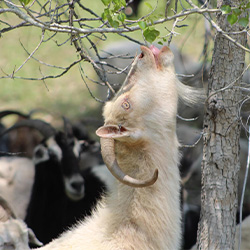
Grazing
The City of Louisville uses targeted grazing—placing goats and cattle in small areas for limited periods—to reduce grasses, woody vegetation, invasive plants, and other fuels that can intensify wildfires. Cattle primarily lower grass height, while goats also consume shrubs and low tree branches that can act as “ladder fuels.” Beyond reducing fire risk, grazing supports healthier soil and ecosystems through natural fertilization, nutrient cycling, and improved water retention.
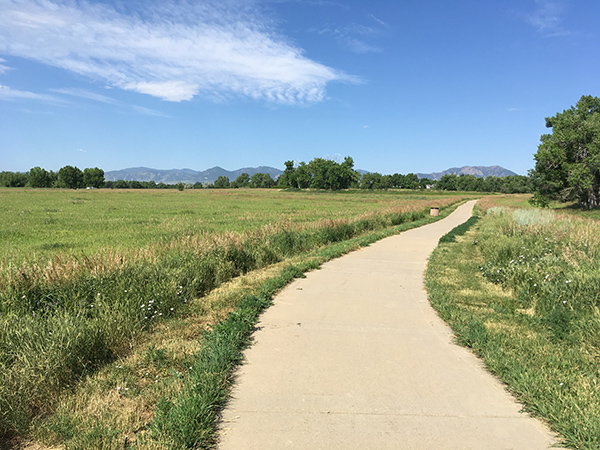
Trail & fenceline fuels reduction
The City of Louisville reduces wildfire fuels along trails and fence lines by mowing or cutting back grasses and other vegetation in targeted strips. These areas act as fuel breaks, interrupting continuous vegetation and helping slow a fire’s spread, reduce flame intensity, and improve access for firefighters. Fenceline treatments also create separation between open-space fuels and neighboring homes or other private property. The work is timed and limited to balance wildfire protection with habitat and ecosystem health.
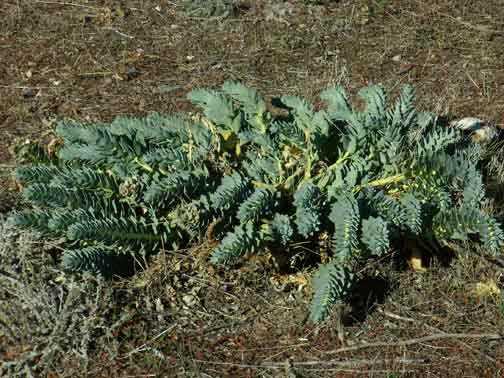
Noxious weed management
We manage noxious weeds through an integrated program that includes targeted grazing, mowing, hand-pulling, and carefully applied herbicides. Removing these invasive plants helps prevent dense, continuous vegetation from adding to wildfire fuels. It also allows native plants to recover, protecting biodiversity, wildlife habitat, and soil stability while making the open-space landscape more resilient to fire.
Code updates
The City has worked with Louisville Fire Protection District and other community partners to update our building codes and establish new codes to strengthen our community against wildfires.
Fire Hardening Code
The Fire Hardening Code requires new homes and buildings to use fire resistant materials, bans junipers, and adds defensible space landscaping standards to properties in a Marshall Fire Rebuild area.
Defensible Space Code in the Marshall Fire Rebuild Area
Wildland Urban Interface (WUI) Code